Almaty Honours Sapargali Begalin’s Contribution on His 130th Anniversary
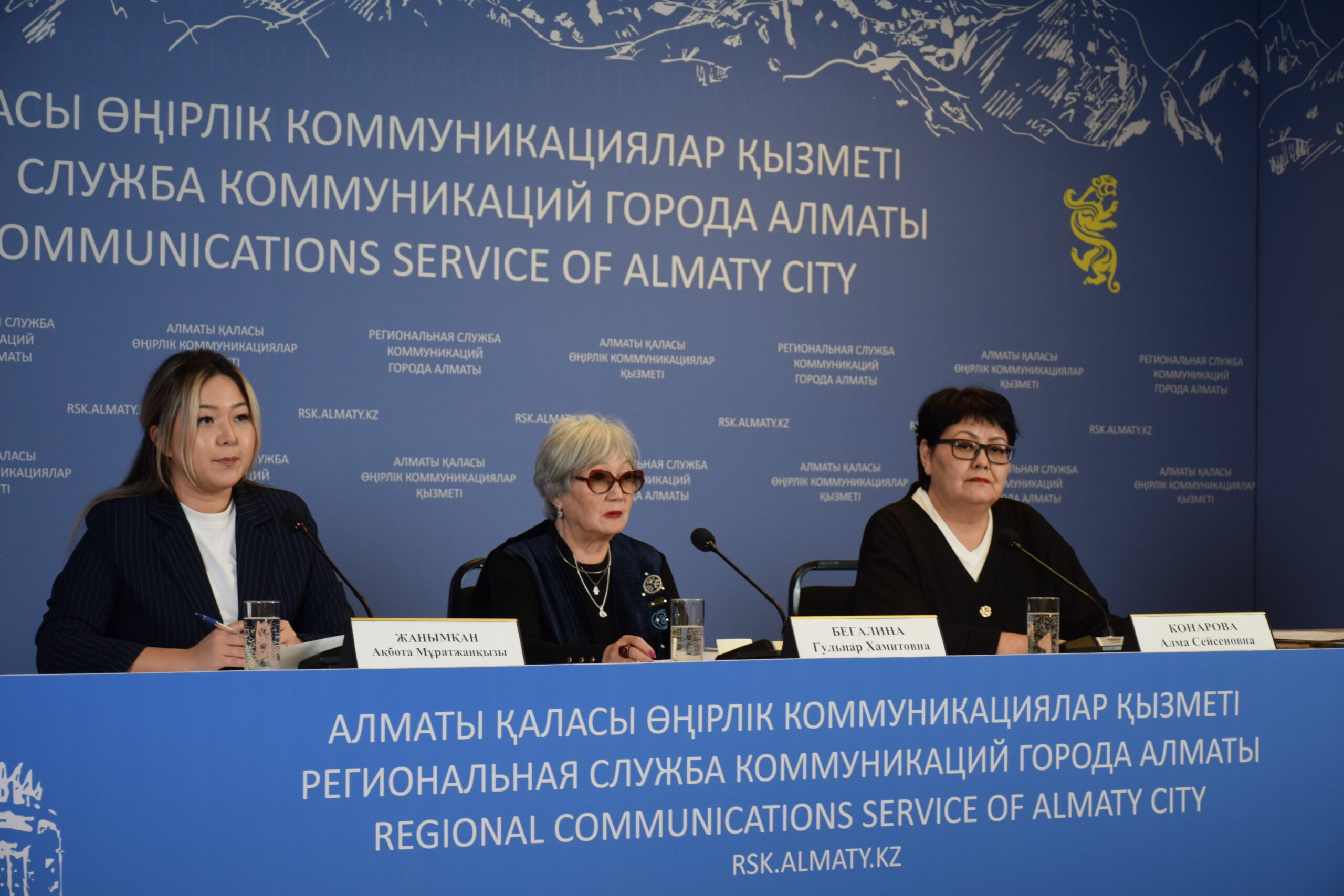
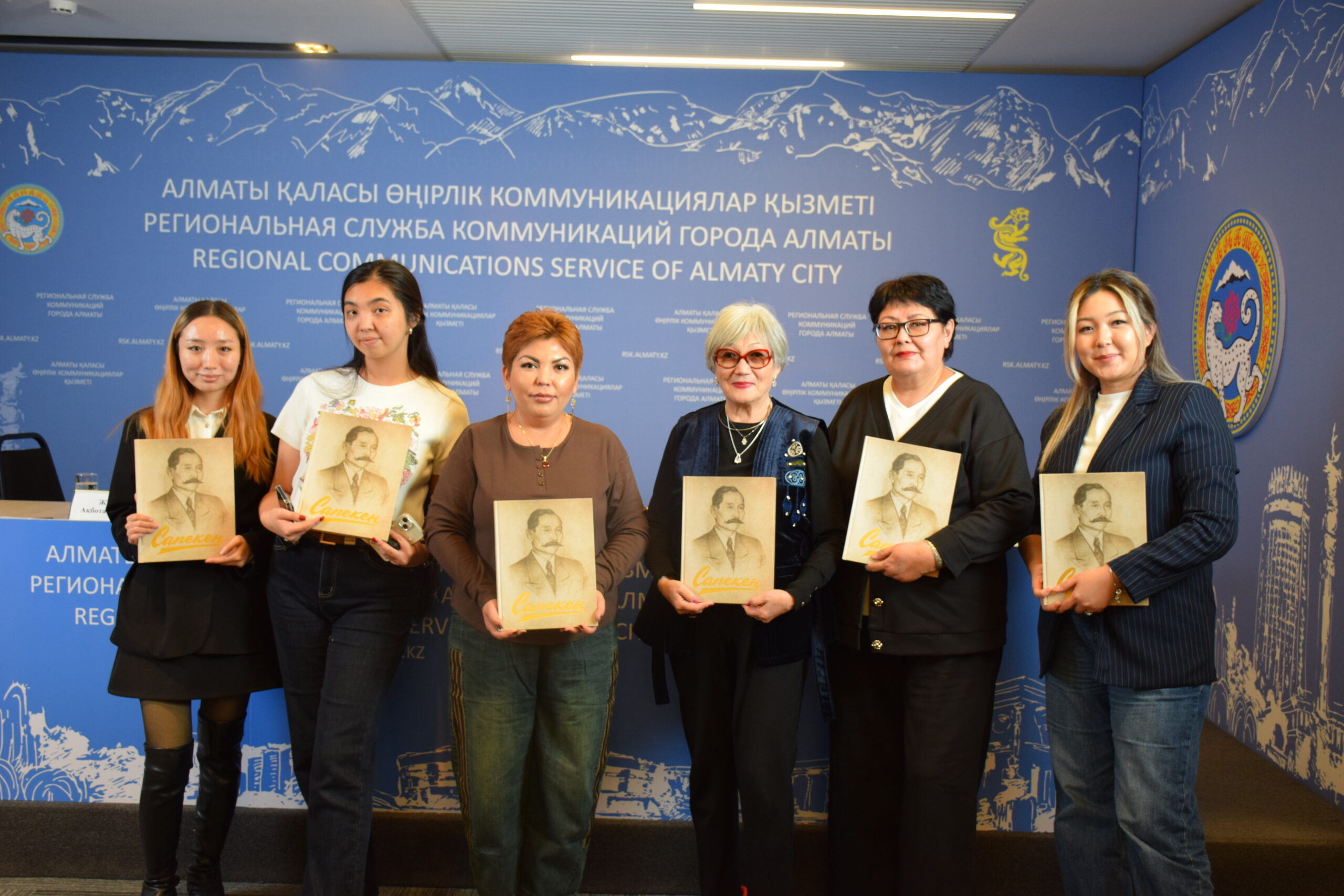
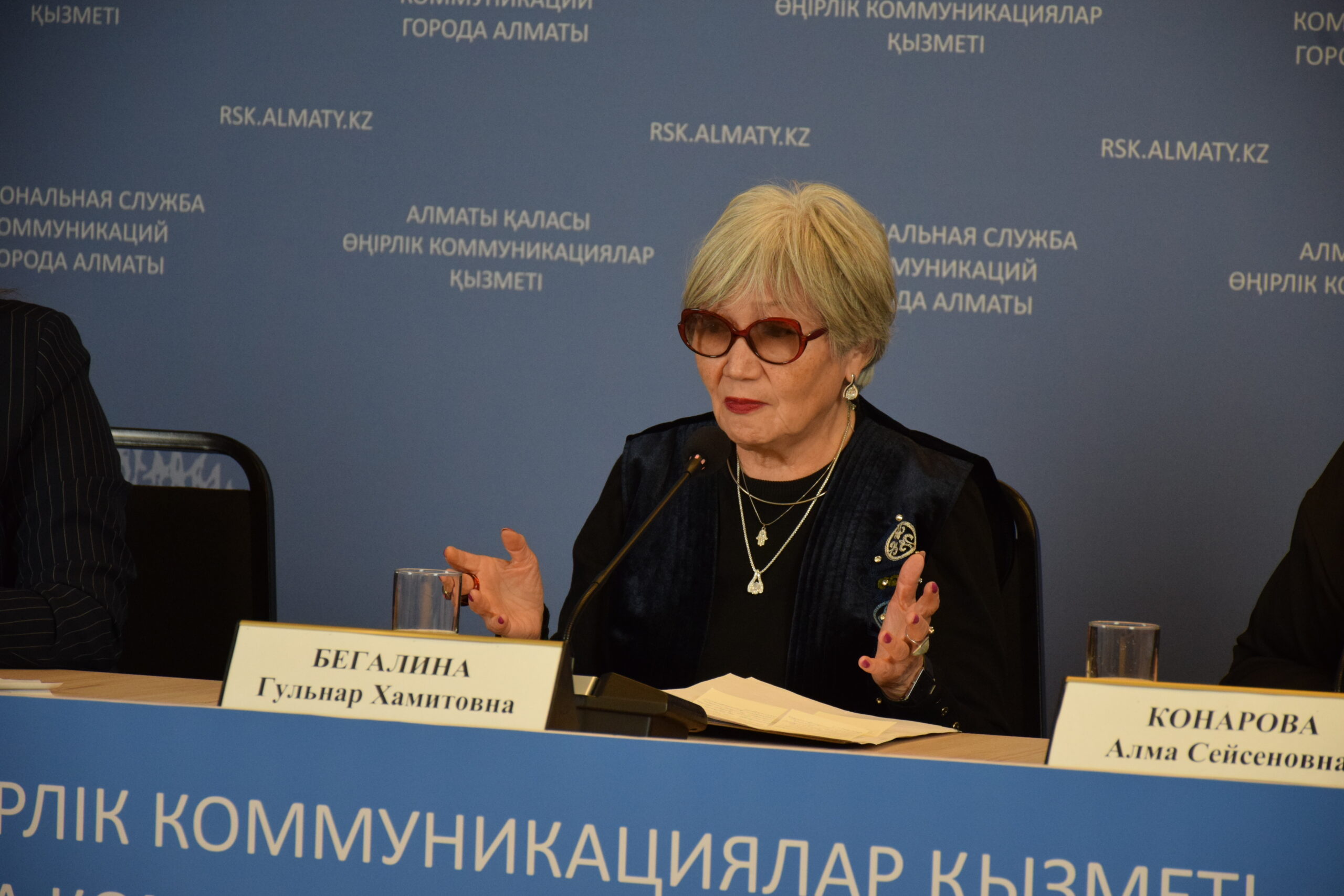
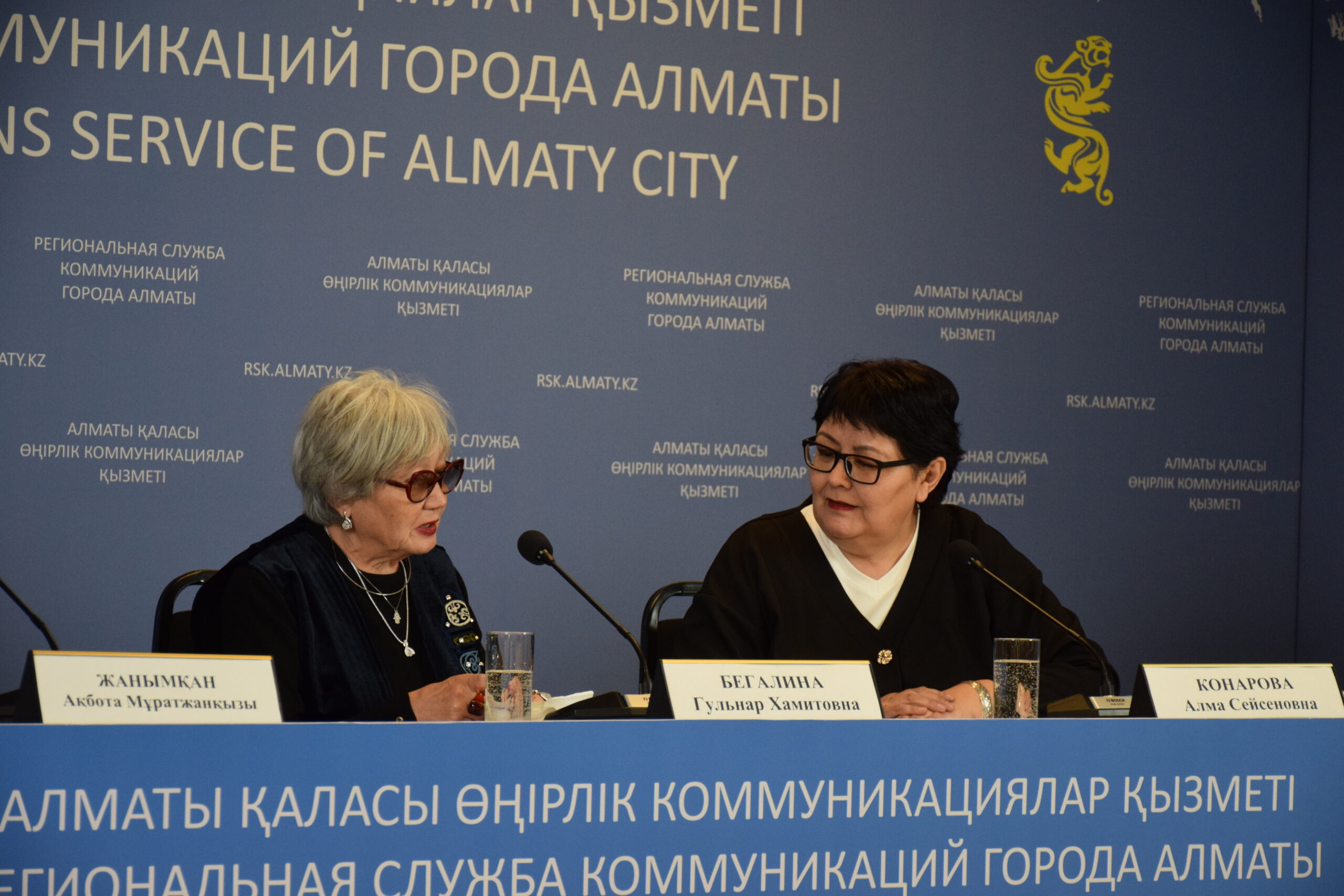
A briefing dedicated to the 130th anniversary of the birth of the famous children’s writer, folklorist, and public figure Sapargali Iskhakovich Begalin took place at the Regional Communications Service (RCS) of Almaty. The event was attended by the writer’s granddaughter, Gulnar Begalina, as well as the head of the Central City Children’s Library named after S. Begalin, Alma Konarova.
Speaking at the briefing, Gulnar Khamitovna noted that Begalin’s personality holds a special place in the history of Kazakh literature and culture of the 20th century.
“For our family, he is not only a writer and scholar, but also the wise, kind Sapeke-ata (grandfather). He knew how to preserve his inner light even in the most difficult years,” she said.
The speaker emphasized that Sapargali Begalin strove for education and spiritual development from a young age. He was close with the major figures of the Kazakh intelligentsia, including Mukhtar Auezov, Kanysh Satpayev, and Alkey Margulan.
Speaking about her grandfather, Gulnar Begalina also recalled the high esteem in which the writer was held by his contemporaries.
“Mukhtar Auezov used to say: ‘Sapeken is pure, like spring water. He is the conscience of our culture.’ These words are a true reflection of his character,” she shared.
According to her, the writer dedicated most of his life to studying folklore, collecting folk songs, legends, and dastans, and preserving oral heritage. His book “Zhambyl,” written in 1946, was published 50 years later.
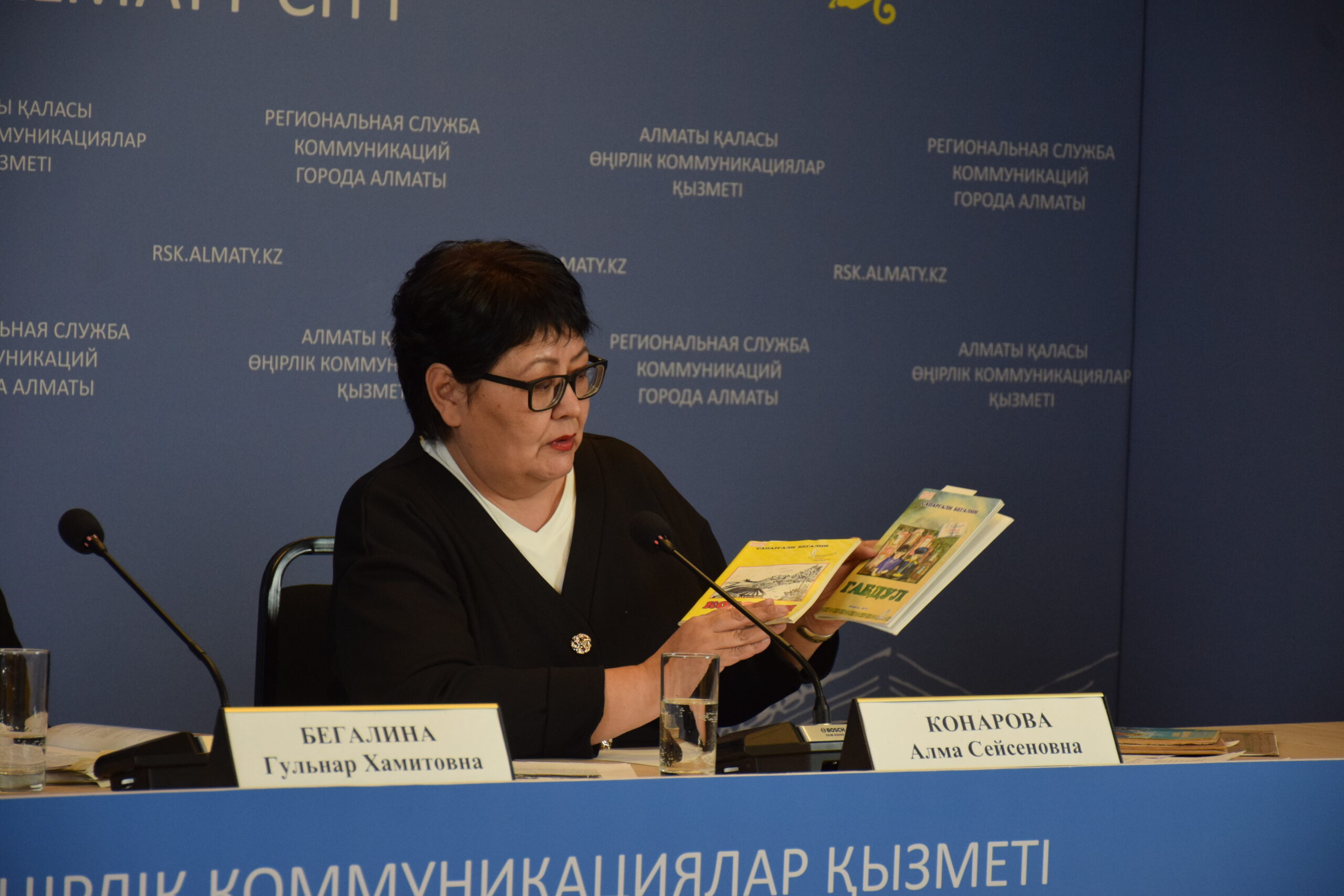
Alma Konarova, head of the Central City Children’s Library named after S. Begalin, shared information about cultural initiatives in honor of the anniversary. She noted that the library has already begun large-scale work to popularize the writer’s work.
“For the 130th anniversary of Sapargali Begalin, we have prepared a series of exhibitions, literary hours, and thematic meetings. It is important for us to show children not only the author’s books but also the context of the era in which he lived and worked,” she reported.
According to the speaker, the library’s collection holds rare editions, manuscripts, and archival photographs related to Begalin’s life.
“We tried to collect materials that reflect not only his literary heritage but also his scientific and folkloric activities. For modern readers, this is a unique opportunity to get to know the writer more deeply,” she added.
Also planned throughout the year are meetings with children’s writers and literary researchers, readings of Begalin’s works in schools and libraries, interactive events for schoolchildren, and presentations of thematic collections and materials about the author’s life.
Concluding the briefing, the participants noted that the legacy of Sapargali Begalin remains relevant today, as his works shape an understanding of honesty, diligence, respect for people, and love for one’s country.