A presentation of the three-volume edition “Kazakh Oratory Art” has taken place at an Almaty library
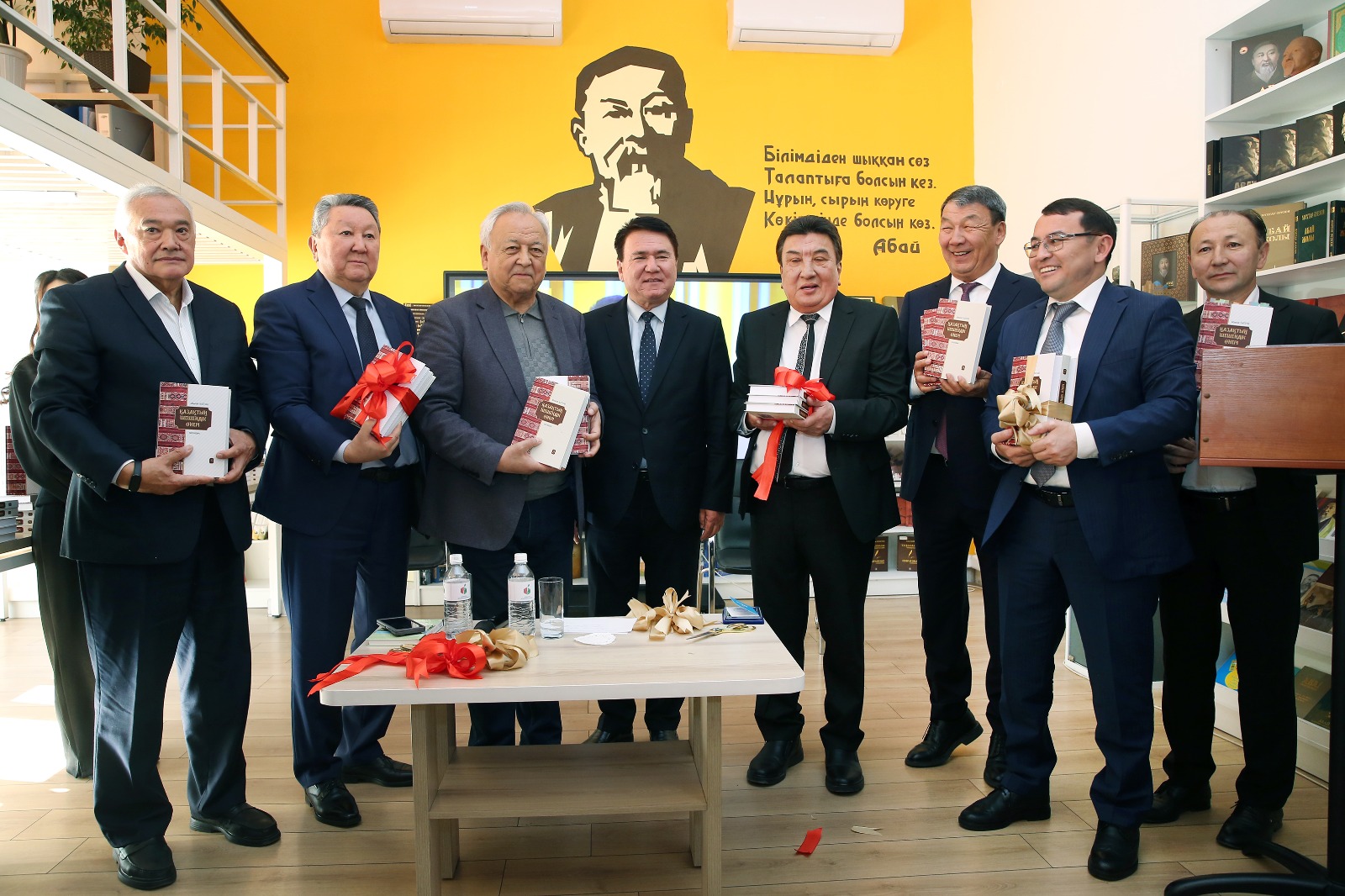
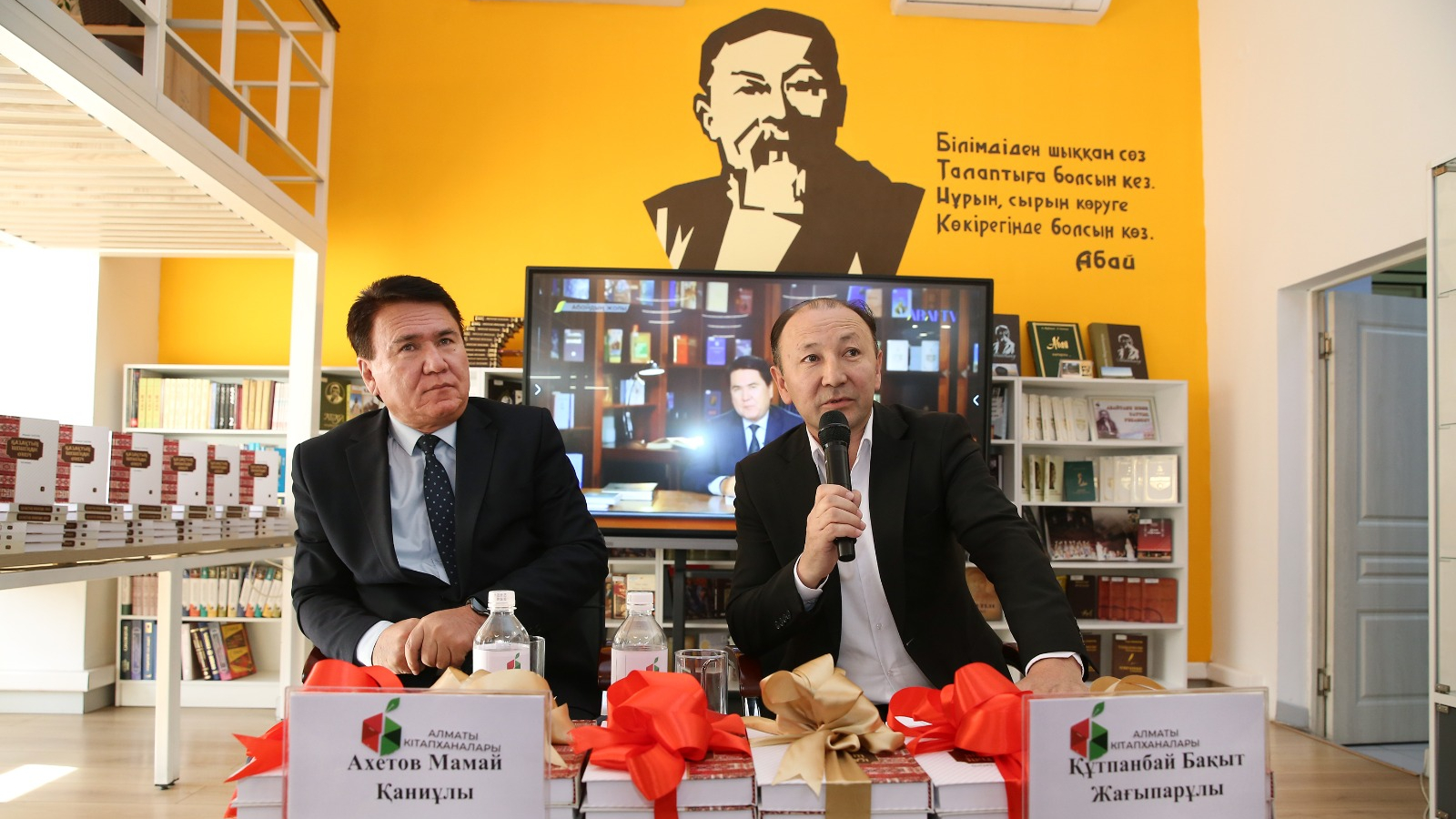
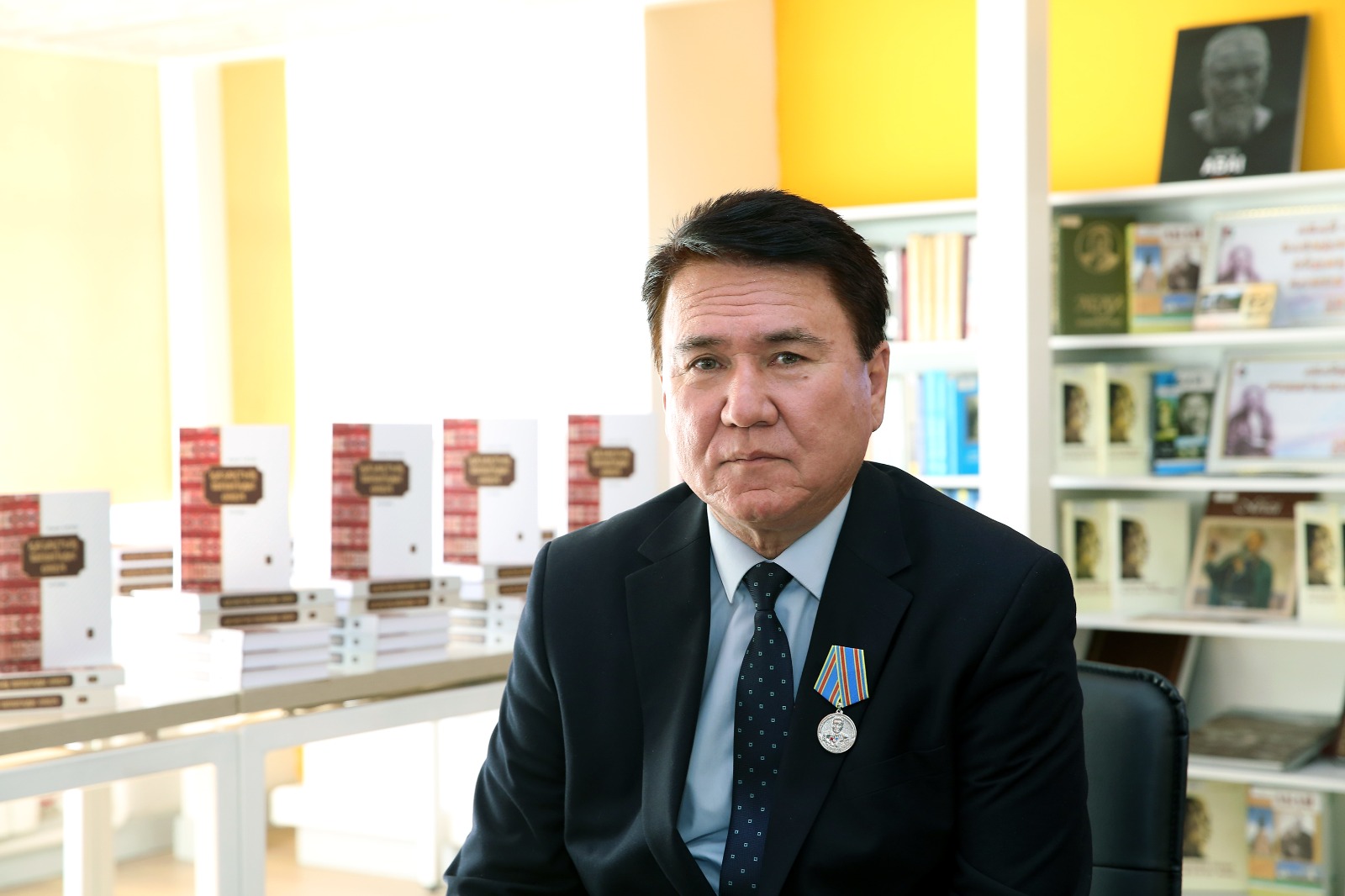
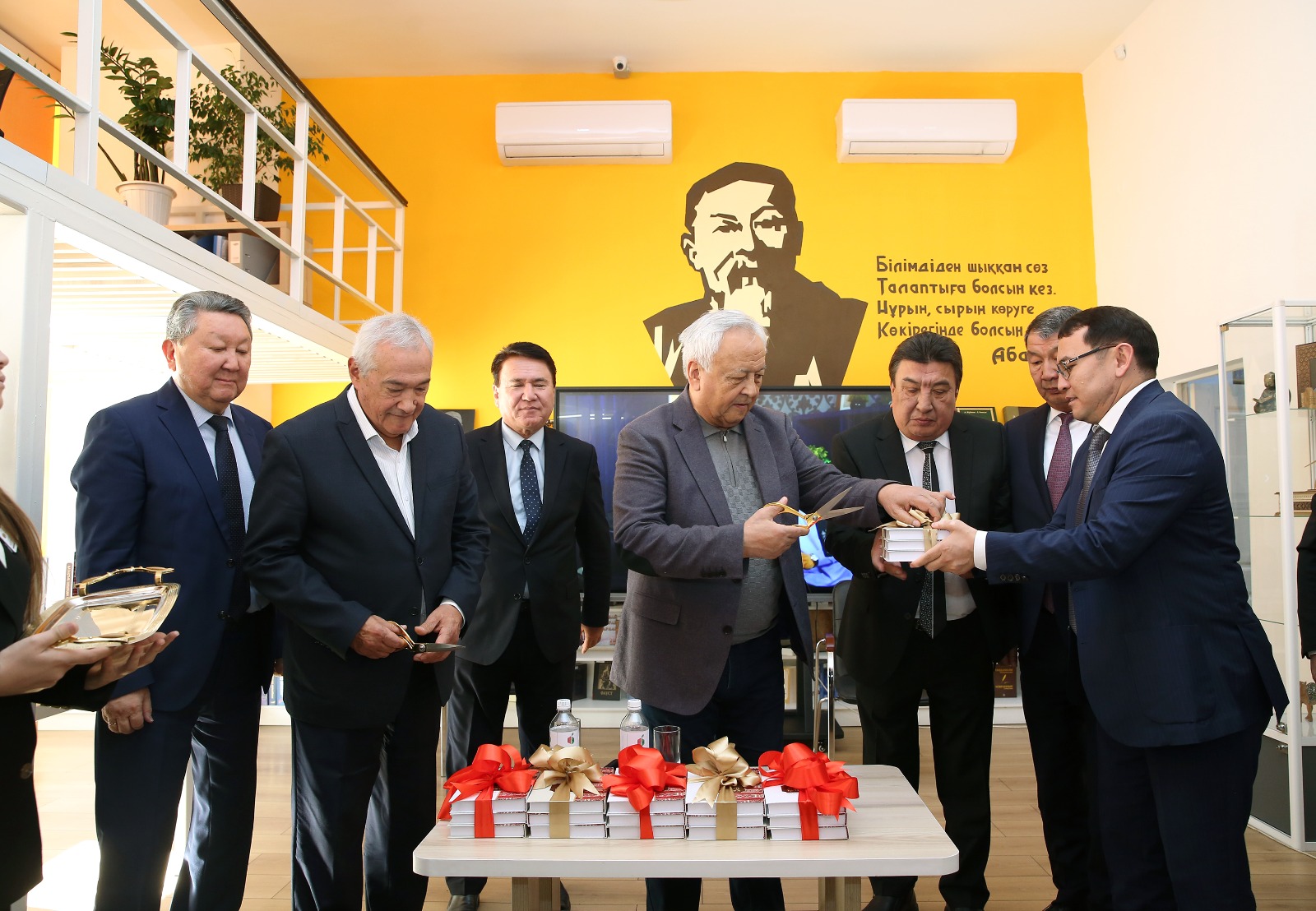
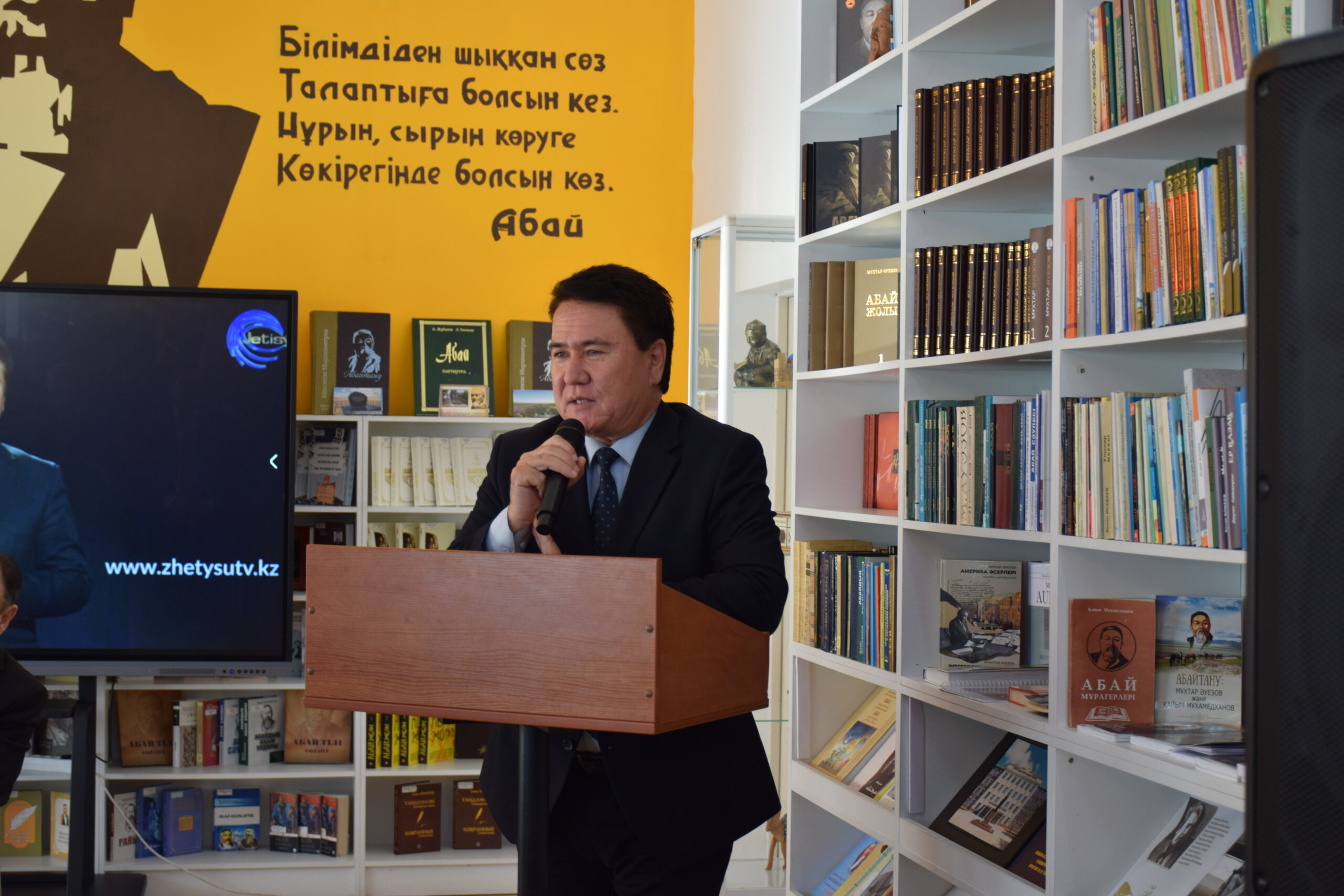
A remarkable event for Kazakhstan’s cultural and academic community unfolded at the Mukhtar Auezov Library in Almaty — the presentation of the ambitious three-volume work “Kazakh Oratory Art. Genesis. Typology. Poetics” and an engaging conversation with its author, Mamai Akhetov. The event was held within the framework of Akhetov’s cultural and educational project “ARTist”, which aims to support the country’s intellectual potential and highlight cutting-edge humanitarian initiatives.
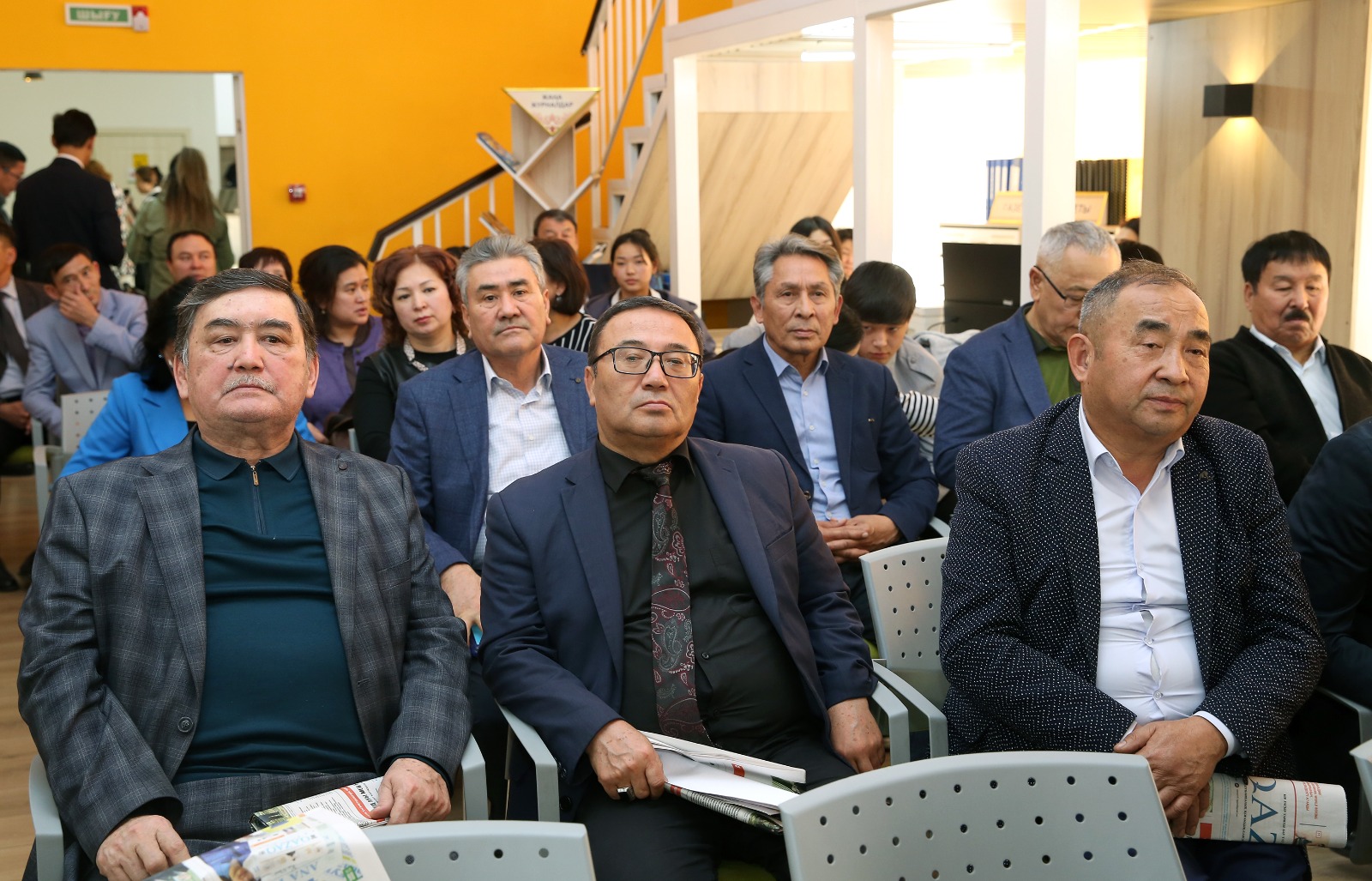
The presentation brought together influential public figures, scholars, writers, and all those who value Kazakhstan’s cultural heritage.
Akhetov’s extensive research immediately captured attention with its depth and academic scale. During the event, the author spoke about the years of work behind the project, highlighted key findings, and stressed the importance of preserving and studying Kazakh oratorical traditions in the context of today’s rapidly developing humanities. Experts have already called the publication a major contribution to the advancement of Kazakhstani philology and cultural studies.
The audience had the chance to ask questions, exchange views, and reflect on the role of Kazakh oratory in the intellectual landscape of modern Kazakhstan.
One of the most dynamic parts of the meeting was the open discussion involving figures from the creative and academic spheres. Their opinions underscored both the contemporary relevance of the topic and its influence on shaping national identity.
“Mamai Akhetov’s work is a landmark scientific study that restores the depth and power of the Kazakh rhetorical tradition in our public consciousness. This edition opens new perspectives for modern humanities and offers a fresh interpretation of our cultural heritage,” said Mereke Kulkenov, Chairman of the Union of Writers of Kazakhstan.
The presentation turned into a vivid cultural dialogue that united generations, brought together different professional communities, and reaffirmed how important such events are for strengthening public interest in national heritage. Participants noted that initiatives like this expand scholarly horizons and create a platform for the exchange of ideas that propel the development of humanitarian thought in Kazakhstan.